How to Start a Makhana Business in India: Investment, Margins & Models
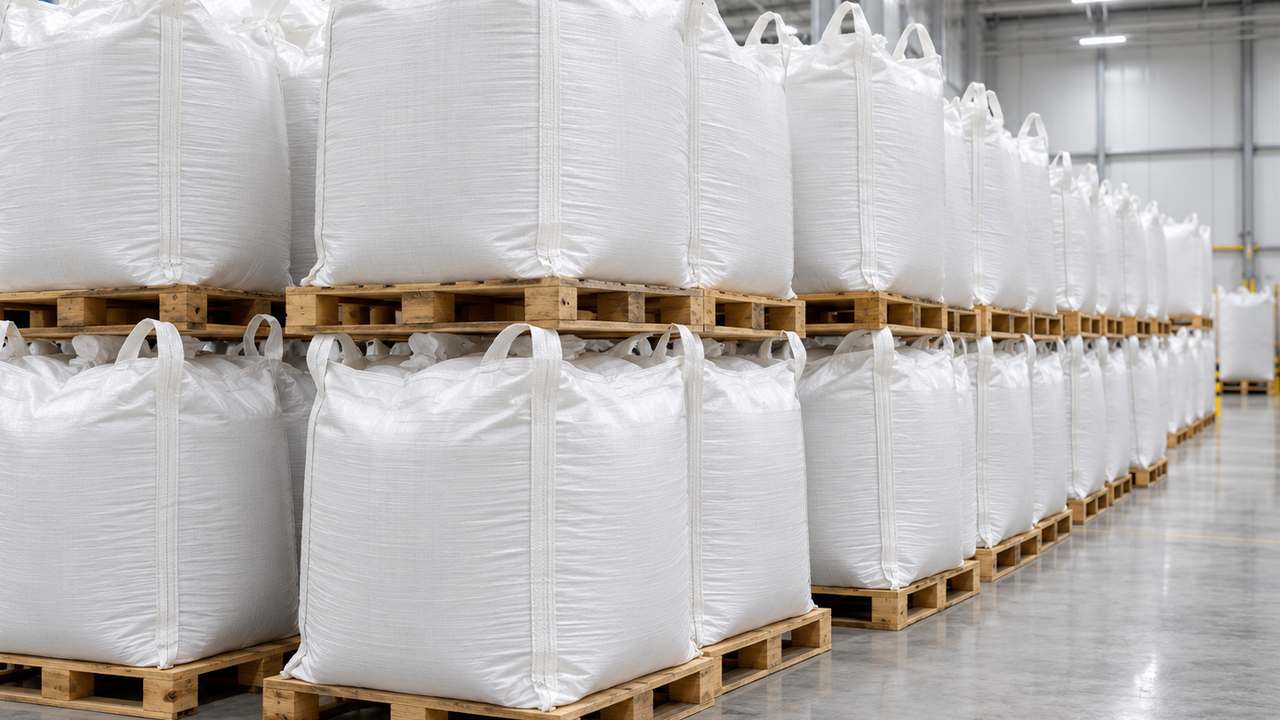
Makhana has moved from a regional snack to a national health-food category, and the supply chain still runs largely through Bihar's mandis. That gap between farm-gate supply and branded retail is where new businesses are entering. This guide covers the four proven business models, realistic investment ranges, the licences you need, and how to take the first step without overcommitting capital.
Model 1: Wholesale trading
You buy graded makhana from Bihar mandis or processors and sell to retailers, roasters, hotels and distributors in your city. This is the lowest-capital entry point.
- Indicative investment: Rs. 2 to 5 lakh (first stock lot, transport, basic storage).
- What you need: reliable Bihar supplier relationships, a dry godown, a weighing scale and grading sieves, and working capital for 30 to 45 day credit cycles.
- Margins: typically 8 to 12 percent per turn; money is made on volume and repeat orders.
- Best for: traders in metro cities with existing dry-fruit or FMCG distribution contacts.
Model 2: Retail packing and own brand
You buy 4 and 5 sutta in bulk, pack into 100 g, 200 g and 400 g pouches under your own brand, and sell through retail stores, Amazon, Flipkart and quick commerce.
- Indicative investment: Rs. 5 to 15 lakh (stock, pouch packing machine or job-work packing, branding, initial marketplace fees).
- What you need: FSSAI licence with your brand label, barcode registration, consistent 4 and 5 sutta supply, and packaging that protects against moisture.
- Margins: typically 25 to 40 percent on MRP after packing and channel costs.
- Best for: founders who can invest in branding and manage online retail operations.
Model 3: Roasting and flavoured snacks unit
You roast raw makhana and sell flavoured variants (peri peri, cheese, pudina, caramel) to retail and HoReCa. This is the highest value-addition model.
- Indicative investment: Rs. 15 to 40 lakh (roasting equipment, seasoning drum, packing line, FSSAI central licence, working capital).
- What you need: food-processing know-how or a hired food technologist, uniform 4 and 5 sutta raw material, and shelf-life testing for each flavour.
- Margins: typically 40 to 60 percent on MRP; the premium is in the flavour and brand.
- Best for: operators with food-processing experience or a strong regional distribution network.
Model 4: Distributorship
You take the distribution rights of an established makhana brand for your city or territory and supply retailers.
- Indicative investment: Rs. 3 to 8 lakh (security deposit, first stocking, delivery setup).
- What you need: a delivery vehicle or tie-up, retailer relationships, and the ability to service weekly replenishment.
- Margins: typically 10 to 18 percent, with schemes and incentives from the brand.
- Best for: first-time founders who want a guided start with an existing brand's pull.
Licences and registrations you need
- GST registration: mandatory once turnover crosses the threshold; in practice, B2B buyers expect a GST invoice from day one.
- FSSAI licence: mandatory for packing, branding, roasting or any food processing. Basic registration suffices for small traders; manufacturers need a state or central licence.
- Shops and Establishment registration: for your godown, shop or unit, as per your state.
- Udyam (MSME) registration: free, and useful for loans and government schemes.
- Trademark: file early if you are building a brand; the category is getting crowded.
Sourcing: where the makhana comes from
Nearly all Indian makhana originates in Bihar's Mithila region, Purnia, Katihar, Darbhanga and Madhubani. You have three sourcing routes: buy at mandi level through a commission agent (cheapest, needs volume and trust), buy from a processor in Bihar (graded, packed, slightly costlier), or buy from a wholesaler in your city (easiest, thinnest margin). Start with a city wholesaler for your first lots, then move upstream as volume grows.
First 90 days: a practical sequence
- Days 1 to 15: pick one model, register GST and FSSAI, and get quotes from three suppliers for your target grade.
- Days 16 to 30: order samples, check whole-kernel percentage and moisture, and lock one supplier.
- Days 31 to 60: place your first commercial lot, sell to five to ten buyers, and learn the real credit cycle.
- Days 61 to 90: standardise your grade, packing and pricing, then scale the lot size.
The common mistake is starting with too many grades and too much stock. One grade, one model, ten buyers: that is a makhana business. Everything else is scale.
Frequently Asked Questions
What is the minimum investment to start a makhana business?
Wholesale trading can start at roughly Rs. 2 to 5 lakh for a first stock lot and basic storage. Retail packing needs Rs. 5 to 15 lakh, and a roasting unit Rs. 15 to 40 lakh. Start with one model and one grade to keep capital risk low.
Which licences are required for a makhana business in India?
GST registration and an FSSAI licence are the two essentials; B2B buyers expect GST invoices and FSSAI is mandatory for packing or processing. Add Shops and Establishment registration and Udyam (MSME) registration for your unit.
Where should I source makhana from?
Almost all Indian makhana comes from Bihar: Purnia, Katihar, Darbhanga and Madhubani. Beginners should start with a city wholesaler, then move upstream to Bihar processors or mandi agents as volumes grow.
Is the makhana business profitable?
Yes, at every stage, but margins differ: wholesale trading earns 8 to 12 percent on volume, retail packing 25 to 40 percent, and roasting 40 to 60 percent on MRP. Margin killers are moisture, breakage, transport and long credit cycles.
Do I need FSSAI if I only trade makhana wholesale?
If you only trade sealed bulk bags without repacking or branding, a basic FSSAI registration is usually sufficient. The moment you pack, label or process makhana, you need a proper FSSAI licence for that activity.
Related guides
- Makhana Grades Explained: The Sutta Size Chart (3 to 7 Suta)
- Makhana Business Profit Margin: Wholesale vs Retail (2026)
- Makhana Wholesale Price in Bihar 2026: Grade-Wise Mandi Rates
Get today's wholesale price
Grades 3–7 sutta · MOQ 25 kg per grade · pan-India dispatch.