How to Export Makhana from India: Process, Documents & Prices
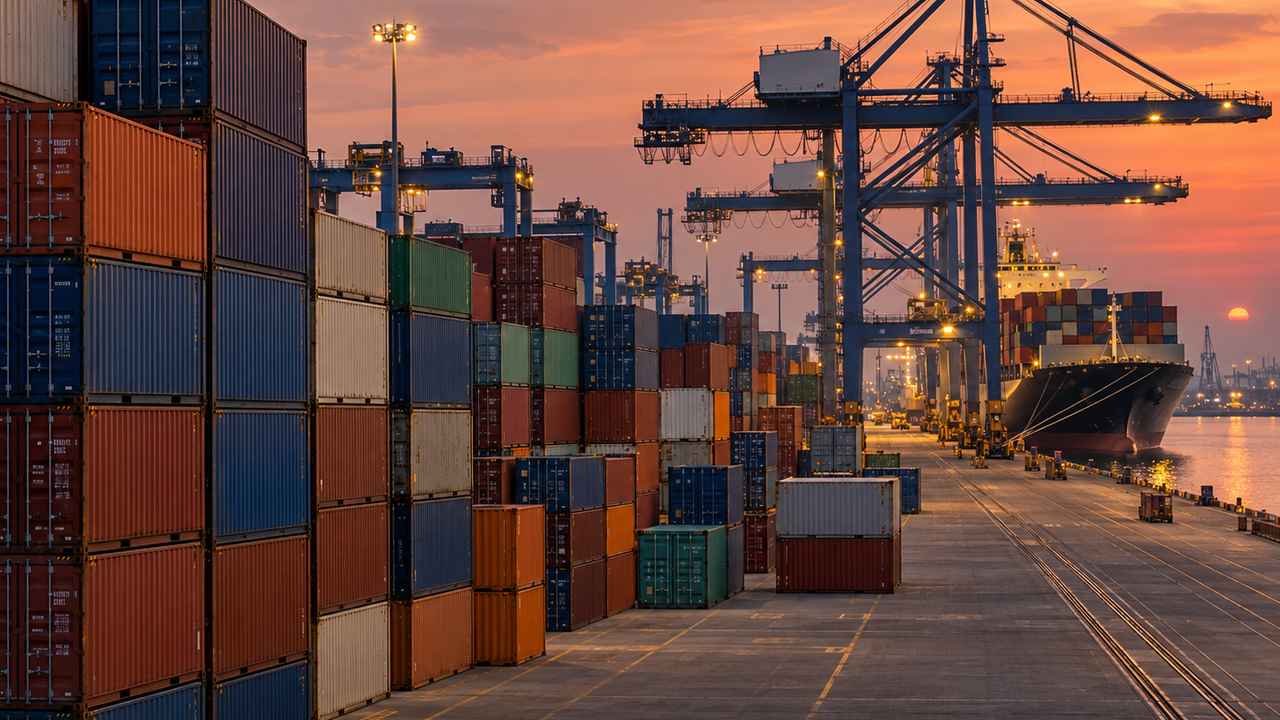
India grows nearly all the world's makhana, and overseas demand for fox nuts is climbing in the USA, UAE, UK and Canada. Export is the highest-value exit in the makhana chain, but it runs on documentation and grading discipline. This guide covers the registrations you need, indicative 2026 FOB prices, the ports and markets that matter, and the process from enquiry to shipment.
Registrations and documents you need
- IEC (Importer Exporter Code): issued by DGFT; the basic licence for any export from India. Apply online; it is a one-time registration.
- APEDA RCMC: makhana falls under APEDA's scheduled products, so register and obtain the Registration-Cum-Membership Certificate. APEDA registration also opens access to export promotion support.
- FSSAI central licence: required for the exporting entity, with the product correctly categorised.
- GST with LUT: file a Letter of Undertaking to export without paying IGST.
- Phytosanitary certificate: issued per shipment after inspection; most buyers require it.
- Certificate of origin: needed by buyers claiming preferential duty in their market.
- Commercial invoice, packing list, bill of lading: the standard shipment paperwork your CHA will prepare.
Appoint a reliable CHA (customs house agent) at your port early; a good CHA is worth more than any checklist.
What the export market buys
Overseas buyers purchase on size, appearance and specification. The standard export grades are 6 sutta (16 to 20 mm) and 7 sutta jumbo (20 to 26 mm), with typical contract terms specifying maximum 3 percent breakage, moisture under 7 percent, and uniform polishing. Buyers usually ask for a 500 g to 1 kg pre-shipment sample and approve the bulk lot against it.
Indicative FOB prices (2026)
| Grade | Indicative FOB (USD/kg) | Notes |
|---|---|---|
| 6 sutta | 14 - 18 | Standard export grade, highest volume |
| 7 sutta jumbo | 18 - 21 | Luxury and gifting channels |
| 5 sutta | 11 - 14 | Value export lines, ethnic retail |
Indicative 2026 FOB bands; actual realisation depends on specification, packing and order size. Confirm per enquiry.
Ports and logistics
- Kolkata / Haldia: closest major port to Bihar; lowest inland freight for container loads.
- Nhava Sheva (Mumbai): best sailing frequency and container availability for global destinations.
- Mundra: competitive for Middle East shipments.
Makhana ships in food-grade PP bags with moisture-barrier liners inside cartons or directly in container liners for bulk. Because the product is light and bulky, freight per kg matters: consolidate to full container loads wherever possible.
Buyer markets
- USA: the largest health-snack market; buyers want consistent 6 sutta, private-label packing and full documentation.
- UAE and Gulf: strong ethnic retail demand; faster payment cycles than Western markets.
- UK and Canada: growing South-Asian retail and health-food channels.
- Australia and Singapore: smaller but premium-paying markets with strict food-safety expectations.
The export process, step by step
- 1. Enquiry and sampling: buyer sends specification; you courier a 500 g to 1 kg sample with a specification sheet.
- 2. Quotation: quote FOB per kg for the approved grade, stating breakage, moisture, packing and payment terms (typically 30 percent advance, balance against bill of lading copy).
- 3. Order confirmation: sign a simple sales contract covering grade, quantity, price, shipment window and quality recourse.
- 4. Production and QC: grade, pack and hold the lot; get phytosanitary inspection done.
- 5. Shipment: CHA handles customs clearance; you share the bill of lading and documents with the buyer.
- 6. Payment and feedback: collect the balance, then follow up: repeat orders are where export margins compound.
Packing specifications buyers expect
Export packing is part of the quality promise. Standard spec is food-grade PP bags with moisture-barrier liners, packed 10 or 25 kg per carton, with the grade, lot number and packing date printed on each carton. Some buyers ask for private-label retail pouches packed at origin; agree the artwork, barcode and shelf-life testing before the first production run, not after.
Common first-timer mistakes
- Quoting without confirming you can actually grade to the buyer's breakage and moisture specification.
- Shipping in ordinary bags without moisture barriers; a container's humidity will ruin crispness.
- Accepting 100 percent payment against documents from an unknown buyer; use advance plus LC for first orders.
- Ignoring the GI-tag story. Mithila Makhana origin is a genuine differentiator with premium buyers; document your sourcing district.
Export rewards the disciplined: one buyer served well on specification and schedule becomes three buyers by referral. Start with a single container of 6 sutta to one market, prove the quality system, then scale.
Frequently Asked Questions
What documents are needed to export makhana from India?
You need an IEC from DGFT, APEDA RCMC registration, FSSAI central licence, GST with LUT filing, plus per-shipment phytosanitary certificate, certificate of origin, commercial invoice, packing list and bill of lading. A good CHA handles the shipment paperwork.
What is the export price of makhana per kg?
Indicative 2026 FOB bands: 6 sutta USD 14 to 18 per kg, 7 sutta jumbo USD 18 to 21 per kg, and 5 sutta USD 11 to 14 per kg. Realisation depends on specification, packing and order size.
Which grade of makhana is exported?
6 sutta (16 to 20 mm) is the standard export grade; 7 sutta jumbo serves luxury and gifting channels. Contracts typically cap breakage at 3 percent and moisture under 7 percent.
Which ports are best for makhana export?
Kolkata and Haldia are closest to Bihar with the lowest inland freight. Nhava Sheva (Mumbai) offers the best sailing frequency, and Mundra is competitive for Middle East shipments. Pick the port on total landed cost per kg, not distance alone: sailing frequency and container availability at Nhava Sheva often beat Kolkata's freight advantage.
Which countries import Indian makhana?
The USA is the largest market, followed by the UAE and Gulf states, the UK, Canada, Australia and Singapore. The USA wants consistent 6 sutta with private-label packing; Gulf buyers offer faster payment cycles.
Related guides
- Makhana Grades Explained: The Sutta Size Chart (3 to 7 Suta)
- How to Start a Makhana Business in India: Investment, Margins & Models
- Makhana Business Profit Margin: Wholesale vs Retail (2026)
Get today's wholesale price
Grades 3–7 sutta · MOQ 25 kg per grade · pan-India dispatch.